 AstraLink
Glossary
Sidereal astrology: the constellation-based zodiac explained
If you have ever read that your "real" sign is one back from the one you know, you have met the sidereal zodiac. Sidereal astrology measures the sky against the actual constellations rather than the seasons, which puts it roughly 24 degrees away from the Western system. Here is what that means, why the two zodiacs drifted apart, and where sidereal astrology is used.
Sidereal astrology measures the zodiac against the actual constellations rather than the seasons. Tropical astrology fixes 0 degrees Aries to the spring equinox; because of the Earth's slow wobble, the two systems have drifted roughly 24 degrees apart. Sidereal is the basis of Vedic astrology and shifts many Sun signs back one place.
What is sidereal astrology?
Sidereal astrology is the system that anchors the zodiac to the actual constellations in the sky — the physical bands of stars we call Aries, Taurus, Gemini and so on. The name comes from the Latin sidus, "star." In a sidereal chart, the sign a planet occupies is meant to line up with the star field genuinely behind it. This is the opposite approach to the tropical zodiac used across most of Western astrology, which anchors the signs to the seasons instead of the stars.
The difference sounds technical, but it produces the headline many people have seen: in the sidereal system, a great many people's Sun ends up in the previous sign to their familiar tropical one. A tropical Leo may be a sidereal Cancer. Neither is "wrong" — they are two different measuring sticks answering two different questions.
Sidereal vs tropical: the equinox and the wobble
The whole distinction comes down to where you put 0 degrees Aries, the start of the zodiac.
- Tropical astrology fixes 0 degrees Aries to the spring (March) equinox — the moment the Sun crosses the celestial equator heading north. The signs then track the seasons and the Sun's relationship to the Earth, regardless of which constellation sits behind it.
- Sidereal astrology fixes the zodiac to the fixed stars, so the signs stay tied to the constellations themselves.
These two once lined up, around the early centuries of the common era. But the Earth's axis slowly wobbles in a roughly 26,000-year cycle called the precession of the equinoxes, drifting the equinox point backward against the stars by about one degree every 72 years. Over the centuries that gap has grown to roughly 24 degrees today. That accumulated offset is called the ayanamsha, and the most widely used version is the Lahiri ayanamsha. It is why the two zodiacs now sit almost a full sign apart.
Where sidereal astrology is used
The sidereal zodiac is the foundation of Vedic astrology (Jyotish), the classical astrology of India, which uses it alongside its own system of lunar mansions (nakshatras), planetary periods (dashas) and whole-sign houses. If you have read about your "Vedic sign" being different from your Western one, precession and the ayanamsha are the reason. A smaller number of Western astrologers also work siderealy, often following the 20th-century astronomer-astrologer Cyril Fagan.
Meanwhile, most of the horoscopes, birth charts and dating features you will meet online — including AstraLink's — use the tropical zodiac, with Placidus houses and Swiss Ephemeris-grade positions. That is a deliberate methodological choice, not an oversight: tropical astrology reads the Sun's seasonal cycle, which is what the Western tradition was built to interpret. Knowing that your birth chart here is tropical simply tells you which map you are reading. To see the star-based alternative, our Vedic astrology explainer walks through Jyotish in more depth.
Which one is right?
Neither, and the debate is older than the argument suggests. Tropical astrology says the signs were always about the Sun and the seasons — Aries is the surge of spring, not a claim about the constellation — so precession does not undermine it. Sidereal astrology says the signs should keep pointing at the actual stars they were named for. They are internally consistent systems that happen to disagree about the reference frame, and each has produced insightful practitioners for centuries. Astrology is a lens for reflection either way; the useful question is not which zodiac is "true" but which framework you find meaningful to work with. If you are new, start with the tropical birth chart most Western readings assume — its sign dates, elements and decans are the vocabulary the rest of this glossary uses — then explore sidereal through Vedic astrology once the basics click. Want your full tropical reading and cosmic matches first? Join the early-access list.
The Big Three: three layers of you
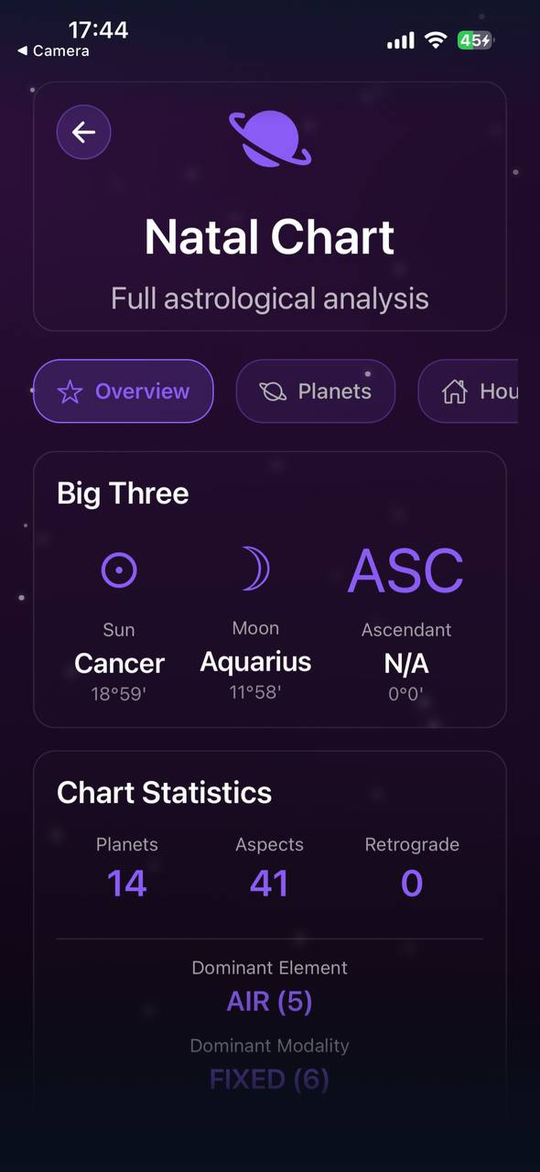
Sun, Moon and rising sign are where every chart reading starts.
Frequently asked questions
What is sidereal astrology?
Sidereal astrology is a system that aligns the zodiac with the actual constellations of stars, rather than with the seasons. It takes its name from the Latin word for star. Because it is tied to the real star field, a sidereal chart aims to place each planet against the constellation genuinely behind it. It is the basis of Vedic astrology, and it differs from the tropical zodiac that most Western astrology uses, which is tied to the equinox instead.
What is the difference between sidereal and tropical astrology?
The difference is where each system starts the zodiac. Tropical astrology fixes 0 degrees Aries to the spring equinox, so the signs follow the seasons. Sidereal astrology fixes the zodiac to the fixed stars, so the signs follow the constellations. The two lined up nearly 2,000 years ago but have since drifted about 24 degrees apart because of the precession of the equinoxes. As a result, many people's sidereal Sun sign is one place behind their tropical sign.
Why are sidereal and tropical zodiacs about 24 degrees apart?
Because of the precession of the equinoxes. The Earth's axis slowly wobbles over a roughly 26,000-year cycle, which shifts the equinox point backward against the background stars by about one degree every 72 years. The tropical zodiac stays pinned to the equinox while the sidereal zodiac stays pinned to the stars, so the gap between them has grown to roughly 24 degrees today. That measured offset is called the ayanamsha, most commonly the Lahiri ayanamsha.
Is Vedic astrology sidereal?
Yes. Vedic astrology, also called Jyotish, is built on the sidereal zodiac, aligning the signs with the constellations and applying an ayanamsha to correct for precession. It also uses tools that Western astrology usually does not, such as the nakshatras, or lunar mansions, and the dasha system of planetary periods. This is why a Vedic reading often assigns a different Sun sign from a Western one, even though both describe the same birth moment.
Which zodiac does AstraLink use?
AstraLink's charts use the tropical zodiac, the standard in Western astrology, along with Placidus houses and Swiss Ephemeris-grade planetary positions. That means your Sun sign here follows the seasonal system tied to the equinox. If you want to explore the star-based, sidereal approach, that is the domain of Vedic astrology, which our Vedic explainer covers. Neither zodiac is more valid than the other; they simply use different reference points and answer slightly different questions.
Early access · US launch
Your whole chart, read by AI — free at launch
Cosmic archetype, chart ruler, strengths, karmic lesson and more, written for your exact placements. Join early access for the complete reading, free.
- Free full birth chart + cosmic archetype at launch
- First in line for chart-based matching in your city
- Founding-member pricing, forever
AstraLink content is written by our editorial team, reviewed for astrological accuracy, and refreshed as the sky moves. Interpretations are for reflection and entertainment; they are not medical, legal or financial advice.